When the Auditor Asks, You Need More Than a Spreadsheet
Regulators are asking harder questions about physical infrastructure
If you're an APRA-regulated entity, you already know what CPS 230 asks of you. Operational risk management, material service provider oversight, and demonstrable control over the systems that matter most. CPS 234 tightens the information security obligations further. And across the Tasman, RBNZ's outsourcing policy for systemic banks creates hard constraints around where critical processing happens and who controls it.
None of this is new. What's changed is the expectation that you can prove it, continuously, with documentation an auditor will actually accept.
The evidence trail problem
Most organizations managing a retained physical estate are producing evidence the hard way. Manual logs, periodic audits, spreadsheets that get updated after the fact, change records that live in someone's email.
When the auditor comes in and asks you to demonstrate that a change to your physical environment was assessed for impact before it was made, what does your answer look like? When they want to see the control evidence for the last six months of infrastructure changes, how long does it take to pull that together?
For a lot of teams, the honest answer is: longer than it should, and the output is patchier than anyone would like.
The institutional knowledge gap makes this worse
The engineers who held the mental map of your physical estate, the ones who knew which power circuit fed which rack, which cooling unit was running close to capacity, what would cascade if a particular component failed, many of them aren't there anymore.
That knowledge walking out the door doesn't just create an operational risk. It creates a compliance risk. Because the control environment your regulator expects you to maintain depends on someone understanding the estate well enough to manage it deliberately, not reactively.
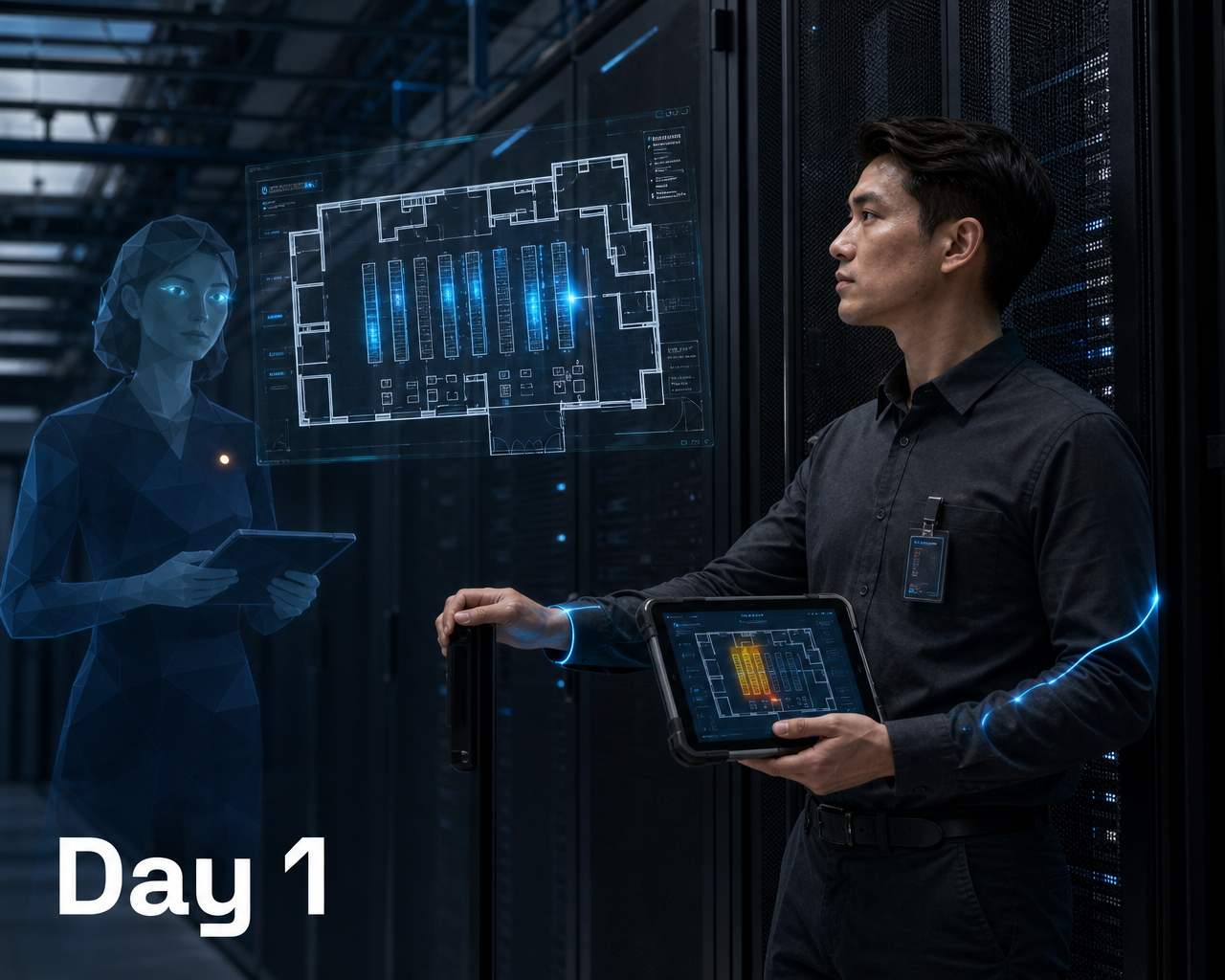
Smaller teams can't replicate that institutional knowledge manually. They need tooling that holds it instead.
What an auditor-ready evidence trail actually requires
A defensible evidence trail for physical infrastructure control isn't just logs. It needs to show:
- Every change to the physical environment, who made it, when, and what the assessed impact was beforehand
- Continuous monitoring of power and thermal telemetry, with anomalies detected and recorded
- Capacity decisions that were based on actual data, not gut feel or a spreadsheet someone updated quarterly
- AI-generated recommendations that are documented, explainable, and traceable back to the underlying data
That last point matters more than people initially expect. If your operations team is using AI to support infrastructure decisions, and your auditor asks how that AI works and what it recommended, 'we ran it through a cloud model and it said this' is not a defensible answer under most regulated frameworks.
CenterOS produces the evidence trail by default
CenterOS is built around the idea that audit-readiness isn't a reporting feature you turn on before a review. It's how the platform operates all the time.
Change management and impact analysis produce continuous, structured evidence. AI recommendations carry full documentation of what data they drew on and what the assessed impact was. Power and thermal anomalies are logged, timestamped, and trackable. The whole picture maps directly to what APRA CPS 230, CPS 234, and RBNZ outsourcing rules require you to demonstrate.
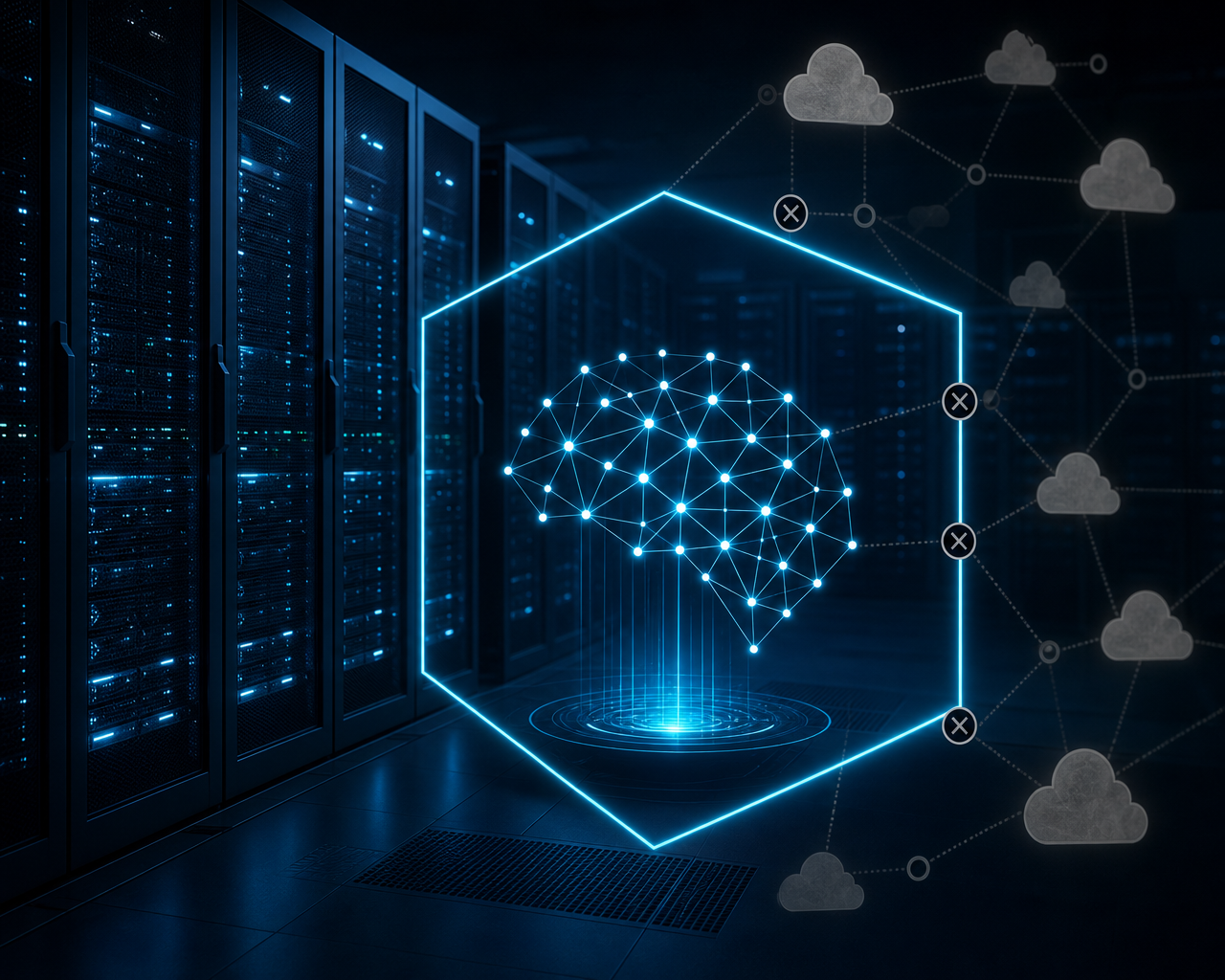
And none of it requires data to leave your environment. The AI runs inside your control perimeter. Your InfoSec function can audit it. Your regulator can see it. That's how it's supposed to work.
Walking into a regulator review with a complete, continuous evidence trail shouldn't feel like a relief. It should feel like Tuesday. CenterOS is built to make that the baseline.
CenterOS
The AI-native DCIM that runs anywhere — including inside your perimeter
The AI-native DCIM that runs anywhere — including inside your perimeter
Learn more about CenterOS and get started today.
Visit CenterOS